- Wealth Protection Alliance
- Posts
- Break‐Even & Beyond: Tax Tips for Early-Stage Businesses
Break‐Even & Beyond: Tax Tips for Early-Stage Businesses
Wealth Protection Alliance

Break‑Even & Beyond: Tax Tips for Early-Stage Businesses
Reaching the break-even point is a major milestone for any early-stage business. It’s the moment when revenue finally covers expenses, and the focus begins to shift from survival to sustainability. As exciting as that transition can be, it also brings new tax considerations that founders should understand early to avoid surprises later.
One of the first areas to pay attention to is expense tracking. Many early-stage businesses overlook deductions simply because records aren’t organized from the start. Keeping clear documentation for operating costs such as software subscriptions, marketing, professional services, and office expenses can make a meaningful difference at tax time. Even small costs add up, and proper categorization helps ensure nothing is missed.
Business structure also plays a role in how taxes are handled. Sole proprietorships, partnerships, LLCs, and corporations are taxed differently, and what made sense during the launch phase may not be ideal as revenue grows. As profitability approaches or surpasses break-even, reviewing your entity structure can help align taxes with long-term goals and growth plans.
Another important consideration is estimated taxes. Many new business owners are caught off guard when they realize taxes aren’t automatically withheld from business income. As revenue stabilizes, setting aside funds for quarterly estimated payments can help prevent penalties and cash-flow strain.
Timing matters as well. Strategic decisions around when to invoice clients, make large purchases, or invest in equipment can influence taxable income from one year to the next. While these decisions shouldn’t be made solely for tax reasons, understanding their impact allows for more informed planning.
Payroll and contractor payments deserve close attention, especially as teams expand. Misclassifying workers or missing filing requirements can lead to costly corrections. Establishing compliant payroll processes early reduces risk and supports smoother growth.
Every business is unique, and rules can change based on location, industry, and structure. Consulting qualified tax professionals—such as CPAs or tax attorneys—ensures decisions are accurate, compliant, and aligned with your specific situation.
Breaking even is an achievement worth celebrating. With thoughtful tax planning and professional guidance, it can also be the foundation for confident, sustainable growth beyond that milestone.
Stay empowered & stay protected,
Wealth Protection Alliance
Get ready to level up your trading game with Troy Noonan!
Step Into The Backpack Trader Life is your weekly podcast hosted by Tory Noonan, dedicated to unraveling the real stories behind the trading world. Whether you're a beginner or a seasoned pro, this show dives deep into the strategies, tools, and mindset needed to succeed in the fast-paced world of trading. Each episode features insightful conversations, actionable tips, and inspiring stories from both new and experienced traders. So grab your backpack, step into the life of a trader, and join Tory as he navigates the highs and lows of trading, entrepreneurship, and personal growth.
Listen now on Apple Podcasts: Step Into The Backpack Trader Life
Wall Street Isn’t Warning You, But This Chart Might
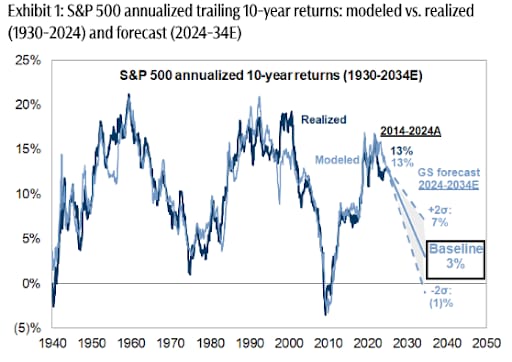
Vanguard just projected public markets may return only 5% annually over the next decade. In a 2024 report, Goldman Sachs forecasted the S&P 500 may return just 3% annually for the same time frame—stats that put current valuations in the 7th percentile of history.
Translation? The gains we’ve seen over the past few years might not continue for quite a while.
Meanwhile, another asset class—almost entirely uncorrelated to the S&P 500 historically—has overall outpaced it for decades (1995-2024), according to Masterworks data.
Masterworks lets everyday investors invest in shares of multimillion-dollar artworks by legends like Banksy, Basquiat, and Picasso.
And they’re not just buying. They’re exiting—with net annualized returns like 17.6%, 17.8%, and 21.5% among their 23 sales.*
Wall Street won’t talk about this. But the wealthy already are. Shares in new offerings can sell quickly but…
*Past performance is not indicative of future returns. Important Reg A disclosures: masterworks.com/cd.